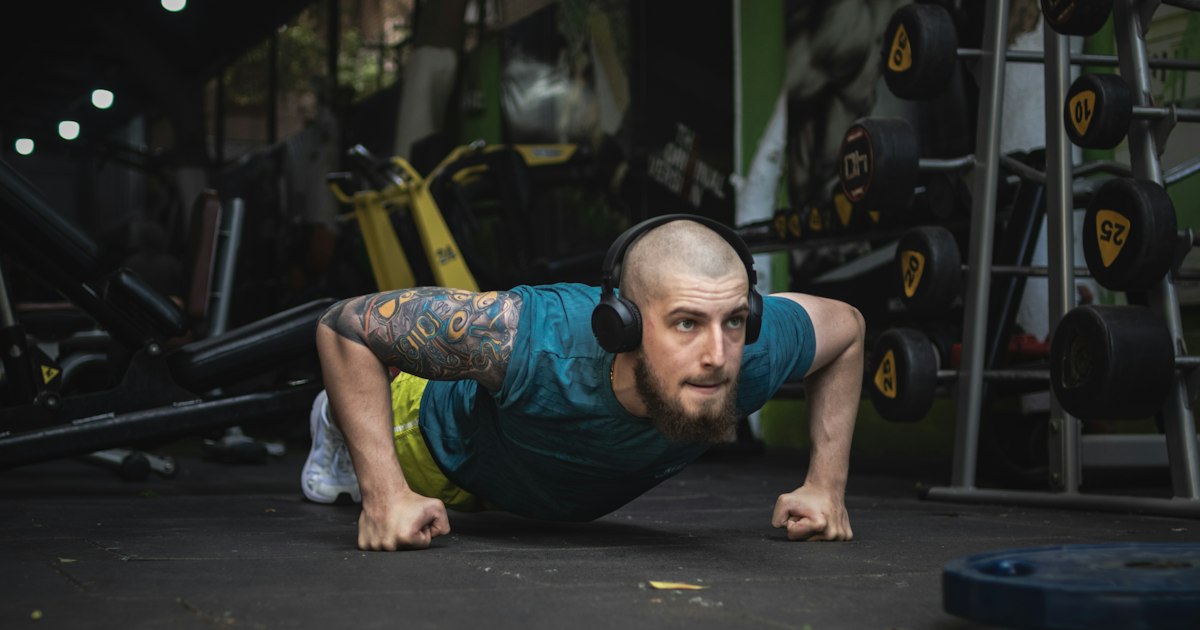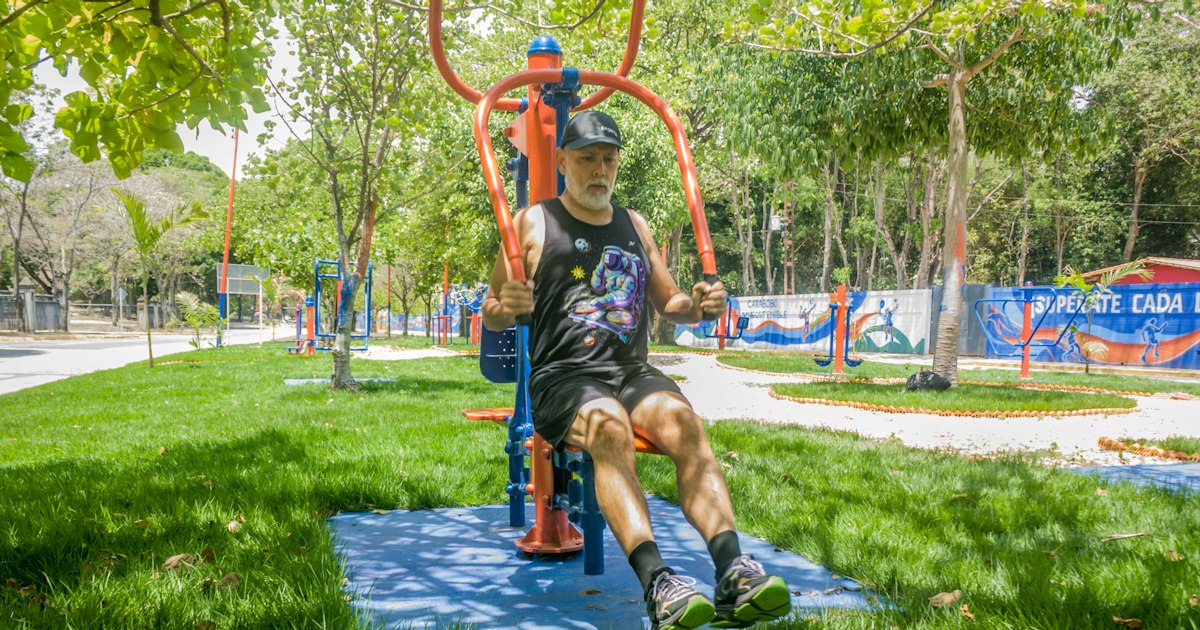

Protein powder has long gone beyond the gym: it is added to coffee, breakfasts, taken to work. But does it make sense to drink protein for a person who does not train? Won't it «settle» as fat and won't it overload the kidneys? The editorial team breaks down how much protein is needed without training, in which situations the supplement is really useful and when it is just an expensive substitute for ordinary food.
Protein is just food
Protein powder is a concentrated dietary protein isolated from milk (whey, casein), eggs, soy, peas, rice or other sources. By its nature it is no different from the protein we get from meat, fish, cottage cheese or legumes. In the body it is broken down into amino acids in the same way.
Therefore the very framing of the question «can you drink protein without training» is like the question «can you eat cheese without training». You can — if it fits into your diet and needs. Protein has no «sporting» action that switches on only in the gym, and it does not harm people who do not do sport.
It is another matter whether it is advisable. Without training the stimulus for muscle growth is minimal, and an excess of protein will not turn into muscle. It will be used as a source of energy or for the body's other needs. That is, the point of a supplement is determined by whether you lack protein in your diet.
It is also worth remembering that protein is calories. A serving of powder usually contains about 100–130 kcal. If you add it on top of your usual nutrition without accounting for it, the total calorie content rises, and in a person without training this can contribute to weight gain.
How much protein is needed without training
The recommended protein intake for healthy adults is 0.8 g per kilogram of body weight per day. This figure was established by the US Institute of Medicine and the WHO; the European Food Safety Authority (EFSA) determined a similar level — 0.83 g/kg. For a person weighing 70 kg this is approximately 56–58 g of protein per day.
This norm is calculated as the amount that covers the needs of almost all healthy adults, not as the optimal one for all situations. For elderly people, during weight loss and recovery after illness the needs are higher. Therefore many experts consider it reasonable for adults who do not train to aim for 1.0–1.2 g/kg, and for older people — a bit higher still.
Most people in countries with sufficient nutrition cover the basic norm without any supplements. However, protein is often distributed unevenly: little at breakfast, a lot at dinner. To support muscle it is more useful to get a sufficient portion of protein at each main meal.
| Group | Approximate protein need, g/kg/day | Source of recommendations |
|---|---|---|
| Healthy adults, low-activity | 0.8 (minimum norm) | IOM, WHO, EFSA |
| People over 65 years | 1.0–1.2 | The PROT-AGE group (Bauer et al., 2013) |
| Elderly with acute or chronic diseases | 1.2–1.5 | PROT-AGE |
| People who train | 1.4–2.0 | ISSN (Jäger et al., 2017) |

When protein without training is really appropriate
To older people. With age the muscles respond worse to protein (so-called anabolic resistance), and appetite often decreases. A lack of protein accelerates sarcopenia — the loss of muscle mass and strength, which raises the risk of falls and fractures. A protein shake is a simple way to supplement the diet, although the best effect is given by a combination of protein with physical activity, even minimal.
During weight loss. In a calorie deficit the body loses not only fat but also muscle. Increased protein intake helps preserve muscle mass and satiates better. For people who lose weight without training, protein can be a convenient way to get protein without excess fats and carbohydrates.
With a limited diet. For vegetarians and vegans, people with intolerance to certain products or with limited access to full-fledged food, a supplement helps cover the need. Plant proteins (pea, soy, blends) are an option for those who do not consume dairy products.
During recovery after injuries, operations, prolonged illnesses, when the need for protein is increased while appetite is decreased. In such cases specialized nutrition and the amount of protein should be discussed with a doctor or dietitian, since in some conditions protein, on the contrary, is limited.
- elderly people with low appetite or signs of loss of muscle mass;
- weight loss with a calorie deficit;
- a vegetarian or vegan diet with insufficient protein;
- periods of recovery after illnesses — in coordination with a doctor;
- busy people who systematically skip full meals.
Myths and risks: kidneys, liver, fat
Myth one: «Without training protein will turn into fat». Any calories above the need can be deposited as fat, but protein is the least «fat-forming» macronutrient. It has the highest thermic effect of food and satiates well. The problem is not protein as such, but the overall excess of calories.
Myth two: «Protein destroys the kidneys». In healthy people a moderately increased protein intake has no proven harmful effect on the kidneys. Systematic reviews, in particular by Devries and co-authors (2018), found no deterioration of kidney function in healthy adults with higher protein intake. At the same time, for people with an already existing chronic kidney disease the amount of protein is determined by a doctor.
Myth three: «Protein harms the liver». A healthy liver efficiently processes amino acids. Cases of problems are connected mainly with supplements that contain undeclared components, or with existing diseases. Therefore it is important to choose trusted manufacturers.
The real risks are different. Lactose in whey protein concentrates can cause bloating and discomfort in people with lactose intolerance. Also, products with a lowered protein content or with impurities occur on the market, so it is worth paying attention to independent quality certification.
How to choose and use it, if you decide to
First assess your usual diet: how much protein you get from food per day. If you steadily reach your norm from meat, fish, eggs, dairy products and legumes, a supplement is not obligatory. But if it is lacking — protein can become a convenient addition.
For people without training there is no need for complex «gainers» or products with additional stimulants. A simple whey concentrate or isolate, casein or plant protein is enough. Isolate and plant variants are suitable with sensitivity to lactose.
It is useful to consume protein where protein is least present: for example, at breakfast, adding it to porridge or yogurt, or as a snack. A serving of 20–30 g of protein is a reasonable guideline for one intake; for older people studies indicate the benefit of somewhat larger portions.
Take calorie content into account: protein should replace part of the less useful products rather than just be added on top. And it should not be regarded as a complete replacement for food — whole products also provide fiber, vitamins and minerals.
Editorial conclusions
Protein is ordinary dietary protein in a convenient form. You can drink it without training, but it is advisable only when you are getting insufficient protein from food.
The supplement brings the most benefit to elderly people, those who are losing weight, vegans and people in the period of recovery after illness. For a healthy person with a full-fledged diet, protein without training is a matter of convenience, not necessity.
Fears about the kidneys and «turning into fat» in healthy people are not confirmed by data, but the calories of protein need to be taken into account in the overall diet.
We also recommend the articles «Is It True That Muscle Turns Into Fat», «Can You Get Abs in a Month» and «Is It Harmful to Train Every Day».
References
- Institute of Medicine. Dietary Reference Intakes for Energy, Carbohydrate, Fiber, Fat, Fatty Acids, Cholesterol, Protein, and Amino Acids. Washington, DC: National Academies Press; 2005.
- EFSA Panel on Dietetic Products, Nutrition and Allergies. Scientific opinion on dietary reference values for protein. EFSA J. 2012;10(2):2557.
- Bauer J, Biolo G, Cederholm T, et al. Evidence-based recommendations for optimal dietary protein intake in older people: a position paper from the PROT-AGE Study Group. J Am Med Dir Assoc. 2013;14(8):542–559.
- Jäger R, Kerksick CM, Campbell BI, et al. International Society of Sports Nutrition position stand: protein and exercise. J Int Soc Sports Nutr. 2017;14:20.
- Devries MC, Sithamparapillai A, Brimble KS, et al. Changes in kidney function do not differ between healthy adults consuming higher- compared with lower- or normal-protein diets: a systematic review and meta-analysis. J Nutr. 2018;148(11):1760–1775.
- Cruz-Jentoft AJ, Bahat G, Bauer J, et al. Sarcopenia: revised European consensus on definition and diagnosis. Age Ageing. 2019;48(1):16–31.
- Leidy HJ, Clifton PM, Astrup A, et al. The role of protein in weight loss and maintenance. Am J Clin Nutr. 2015;101(6):1320S–1329S.
Andriy Melnyk
A strength-sports coach and author of programs for beginner and intermediate levels. Writes about training planning.