A decrease in sexual desire is one of the most frequent complaints with which men come to an andrologist, and far from always is «low testosterone» behind it. Very often the cause is chronic stress: work-related, financial, emotional or physical. The editorial team explains how stress affects hormones and the brain, why self-treatment is dangerous and what really helps.
What libido is and what it depends on
Libido is sexual desire, the wish for sexual activity. It is formed at the intersection of biology, psychology and social context. Hormones create a «background», but the final desire is determined by the work of the brain: the reward system, the emotional state, attention, the relationship with the partner.
Testosterone is undoubtedly important: with its obvious deficiency libido almost always decreases, and replacement therapy in men with confirmed hypogonadism usually restores it. However, within the range of normal values the connection between the hormone level and desire is weak. A man with testosterone in the middle of the norm can have low libido for other reasons.
Among neurotransmitters a key role is played by dopamine, which supports motivation and the expectation of reward. Serotonin, on the contrary, often inhibits sexual function — which is why some antidepressants lower libido. Prolactin, whose level rises after orgasm, also suppresses desire, and its chronic elevation leads to a persistent decrease in libido.
So libido is a sensitive indicator of the general condition. It quickly reacts to fatigue, anxiety, illness, medications and problems in relationships. That is exactly why stress is one of the most frequent causes of its decrease.
The stress system: how cortisol «turns off» sexual function
In response to stress the hypothalamic-pituitary-adrenal axis is activated: the hypothalamus releases corticotropin-releasing hormone, the pituitary — ACTH, the adrenal glands — cortisol. In parallel the sympathetic nervous system is activated. This is an evolutionarily useful reaction that mobilizes energy for survival.
Reproduction in such logic is a «deferred» function. Corticotropin-releasing hormone and glucocorticoids suppress the release of gonadotropin-releasing hormone, and therefore of luteinizing hormone as well. In addition, glucocorticoids can directly lower testosterone synthesis in Leydig cells. These mechanisms are well described in classic works on the physiology of stress (Chrousos, 2009).
Short-term stress has almost no effect on libido — the body quickly returns to normal. Problems appear with chronic stress, when cortisol is elevated for a long time or its daily rhythm is disturbed. Then energy, sleep quality and motivation decrease, and along with them sexual desire.
Stress can also raise the prolactin level. Moderate stress-related hyperprolactinemia usually does not require treatment, but a significant rise requires a search for other causes, in particular a pituitary tumor or a side effect of medications.
The psychological dimension: anxiety, fatigue, relationships
Even without significant hormonal changes stress lowers libido through psychological mechanisms. When attention is constantly occupied with problems, deadlines or anxious thoughts, the brain reacts less to sexual stimuli. Chronic fatigue generally «eats up» the resource for any activity not connected with survival.
Depression and anxiety disorders are common causes of decreased libido. Anhedonia, that is, the loss of the ability to derive pleasure, affects the sexual sphere as well. It is important to remember that some drugs for treating depression can themselves lower desire, so correction of therapy is discussed with a doctor rather than stopping treatment on your own.
A separate mechanism is performance anxiety. One failed attempt against a background of fatigue can breed a fear of repetition, and this fear intensifies erectile problems and lowers desire. A vicious circle forms, which is often broken only by work with a psychotherapist or sexologist.
The relationship in a couple is another factor. Conflicts, accumulated irritation, lack of time for intimacy and fatigue from everyday life lower desire regardless of hormones. An honest conversation with a partner often does more than any supplement.
Physical stress: sleep deprivation, overtraining, diets
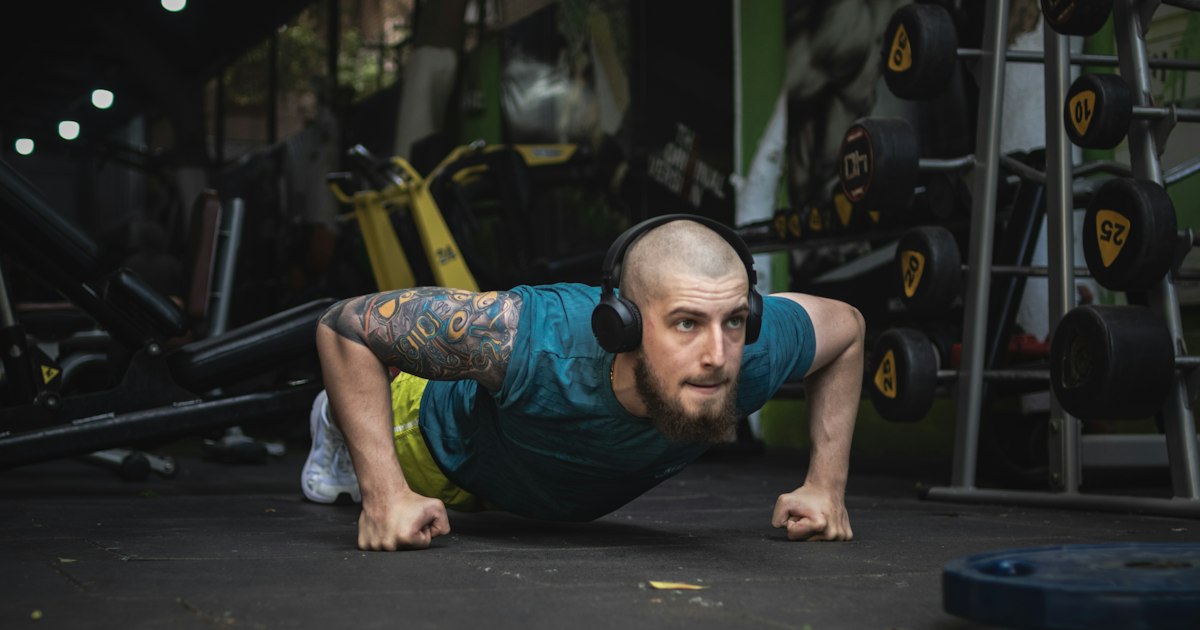
For athletes stress has a physical dimension as well. Sleep deprivation is one of the most powerful factors: in the study by Leproult and Van Cauter (2011) restricting sleep to 5 hours a day for a week lowered the daytime testosterone level in healthy young men by 10–15%.
Excessive training loads without adequate recovery can lead to overtraining syndrome. Among its signs are chronic fatigue, decreased results, sleep disturbances, irritability and decreased libido. The consensus of the European College of Sport Science and the American College of Sports Medicine (Meeusen et al., 2013) describes this state as complex and requiring the exclusion of other causes.
Harsh diets and a prolonged energy deficit are another source of stress. The body, receiving a signal of energy shortage, suppresses «non-essential» functions, in particular the reproductive one. In competitive bodybuilders during the period of preparation for a start, studies recorded a significant decrease in testosterone, which recovered after returning to normal nutrition.
| Source of stress | Mechanism of effect on libido | What to change |
|---|---|---|
| Work/emotional stress | Cortisol, attention, fatigue | Rest, limits on working hours, psychological help |
| Sleep deprivation | Decreased testosterone, fatigue | 7–9 hours of sleep, a stable regimen |
| Overtraining | Systemic maladaptation | Periodization, deload weeks |
| Energy deficit | Suppression of the gonadal axis | A moderate deficit, breaks in the diet |
| Alcohol as an «anti-stress» | Suppression of the CNS and gonads | Limiting consumption |
What helps and when to see a doctor
The first step is to honestly assess the load: sleep, work, training, nutrition, alcohol. Often a decrease in libido coincides with a period when several stressors overlap at the same time, and already reducing several of them gives a noticeable result.
- 7–9 hours of sleep and a stable wake-up time;
- regular moderate physical activity — it reduces anxiety, but without exhaustion;
- stress management techniques: breathing exercises, walks, limiting news and work in the evening;
- time for the couple without gadgets and everyday topics;
- in case of signs of depression or an anxiety disorder — a visit to a psychotherapist or psychiatrist.
It is worth seeing a doctor if the decrease in libido lasts more than a few months, is combined with erectile dysfunction, a decrease in morning erections, loss of muscle mass, gynecomastia, headache or vision disturbance. The doctor will prescribe morning testosterone, LH, prolactin, TSH and, if needed, other tests.
It is not worth starting «hormonal» therapy on your own or buying testosterone «for libido». If the cause is stress, exogenous hormones will not eliminate it, but will suppress your own testosterone synthesis and spermatogenesis. Most «boosters» with plant extracts have no convincing evidence of effectiveness.
Supplements with a proven role here are narrow: correction of a deficiency of vitamin D, zinc or iron, if the deficiency is confirmed by tests. Magnesium and adaptogens, such as ashwagandha, have limited data on reducing stress, but they do not replace work with the root cause.
Editorial conclusions
Chronic stress lowers libido through several pathways at once: hormonal (cortisol inhibits the gonadal axis), neurotransmitter and psychological. Often sleep deprivation, overtraining and harsh diets are added to this.
In most cases desire recovers when it is possible to reduce the load and return sleep and nutrition to normal. A hormonal examination is needed in order not to miss true hypogonadism or hyperprolactinemia.
Self-directed use of hormones «for libido» can worsen the situation and does not eliminate the cause.
We also recommend the articles «Andrological Examination: What It Includes», «Is It Harmful to Train Every Day» and «Obesity and Estrogen in Men».
References
- Chrousos GP. Stress and disorders of the stress system. Nat Rev Endocrinol. 2009;5(7):374–381.
- Leproult R, Van Cauter E. Effect of 1 week of sleep restriction on testosterone levels in young healthy men. JAMA. 2011;305(21):2173–2174.
- Meeusen R, Duclos M, Foster C, et al. Prevention, diagnosis, and treatment of the overtraining syndrome: joint consensus statement of the ECSS and ACSM. Med Sci Sports Exerc. 2013;45(1):186–205.
- Bhasin S, Brito JP, Cunningham GR, et al. Testosterone therapy in men with hypogonadism: an Endocrine Society clinical practice guideline. J Clin Endocrinol Metab. 2018;103(5):1715–1744.
- Rossow LM, Fukuda DH, Fahs CA, et al. Natural bodybuilding competition preparation and recovery: a 12-month case study. Int J Sports Physiol Perform. 2013;8(5):582–592.
- Hackney AC. Hypogonadism in exercising males: dysfunction or adaptive-regulatory adjustment? Front Endocrinol. 2020;11:11.
Andriy Melnyk
A strength-sports coach and author of programs for beginner and intermediate levels. Writes about training planning.